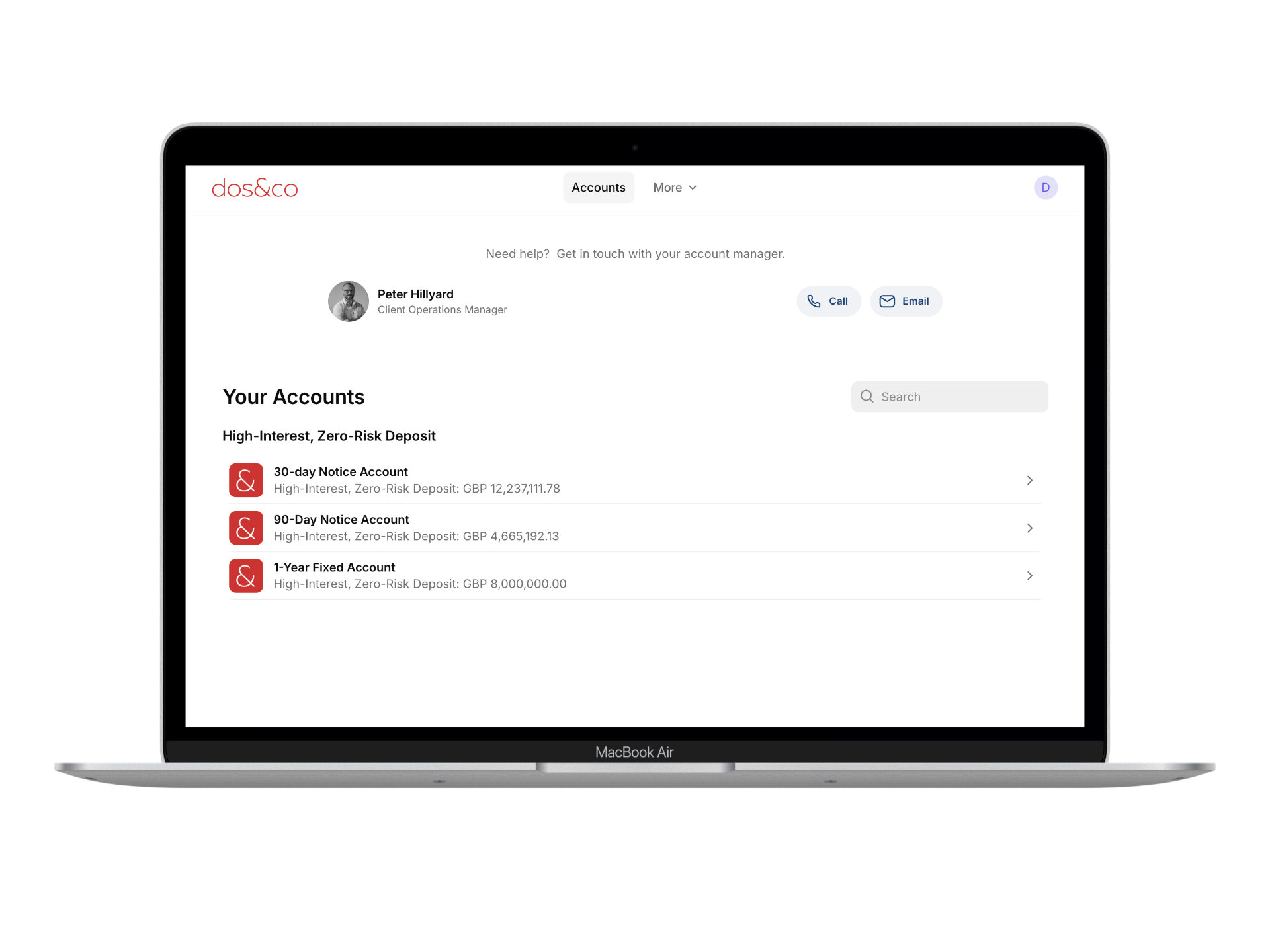
Managed Payments

What are managed payments?
↑ Back to TopManaged Payments are provided through Third-Party Managed Accounts (TPMAs), a payment arrangement in which a regulated provider (us) holds and administers client funds on behalf of professional services firms and other intermediaries, releasing them strictly on agreed instructions from the client or firm.
Unlike traditional client account models, TPMAs are operated by an independent, FCA-authorised payment services provider, with all sterling sums safeguarded and administered under a rigorous compliance framework rather than held directly by the firm itself.
These accounts can be white-labelled or co-branded and are used wherever firms or intermediaries need to manage complex or recurring payment operations without maintaining their own regulatory client account infrastructure. Whether for legal practices, professional service providers, construction intermediaries, or bespoke use cases, TPMAs provide a secure, flexible and compliant facility to hold, transfer and account for funds on behalf of others.
Corporate PayMaster Accounts
Household PayMaster Accounts
Probate & Executor Accounts
Third-Party Procurement Accounts
TPMA's for Direct Access Barristers
TPMA's for Legal Fees on Account
When are third-party managed payments useful?
↑ Back to TopManaged Payments are most helpful for professional firms, intermediaries, family offices and businesses that regularly receive or disburse client funds but do not wish, or are not permitted, to hold those funds in their own client account.
This includes law firms, barristers operating under direct or licensed access, accountants, estate agents, construction paymasters, client representatives, interior designers, procurement agents and other advisors who interact with client monies in the ordinary course of practice.
They are also of value where payment flows are complex, high-value, recurring or require conditional release protocols, for example in fees on account arrangements, multi-party disbursements, staged project payments, retainers and other structured client money obligations. Using a TPMA in these contexts frees the firm to focus on its core services while ensuring that funds are handled professionally and compliantly.
Where do you provide managed payments?
↑ Back to TopManaged Payments are most helpful for professional firms, intermediaries, family offices and businesses that regularly receive or disburse client funds but do not wish, or are not permitted, to hold those funds in their own client account.
This includes law firms, barristers operating under direct or licensed access, accountants, estate agents, construction paymasters, client representatives, interior designers, procurement agents and other advisors who interact with client monies in the ordinary course of practice.
They are also of value where payment flows are complex, high-value, recurring or require conditional release protocols, for example in fees on account arrangements, multi-party disbursements, staged project payments, retainers and other structured client money obligations. Using a TPMA in these contexts frees the firm to focus on its core services while ensuring that funds are handled professionally and compliantly.
Why used third parties for managed payments?
↑ Back to TopManaged Payments remove the need for firms to hold client money in-house, thereby reducing regulatory risk, operational burden and compliance overhead. Under UK practice rules, such as the SRA Accounts Rules, money held in a TPMA does not count as client money held by the firm itself, helping to mitigate exposure to regulatory sanctions, reporting obligations and associated administrative risk.
Clients should choose us because we combine regulated, safeguarded account infrastructure with a white-glove service model that emphasises clarity, predictability and operational simplicity. We take the time to understand each firm’s payment flows, compliance obligations and client arrangements, and then configure a tailored TPMA solution that supports efficient funds handling, transparent reconciliation and professional reporting. Our FCA regulation, Bank of England safeguarding and disciplined administration provide confidence and continuity across all managed payment operations.
How do managed payments work?
↑ Back to TopOur Managed Payments process begins with understanding the firm’s payment and funds management needs, including regulatory context, client agreements, timing and disbursement triggers. We then establish the TPMA infrastructure, configure the account(s), and integrate authorisation and instruction protocols with the firm’s processes, ensuring clear procedures for receipt, release and reconciliation of funds.
During operation, we execute payments strictly on client or firm instructions, maintain comprehensive audit logs and reporting, perform applicable KYC/AML controls, and provide ongoing support to address queries, statements and reconciliation requirements. This disciplined execution helps maintain compliance, enhances transparency for clients and advisors, and supports operational efficiency.
Who uses third-party managed payments?
↑ Back to TopManaged Payments are suitable for professional service providers who regularly interact with client funds but either lack the regulatory permission or prefer not to operate their own client account infrastructure.
They also serve organisations with complex, high-value or multi-party payment flows where independent account administration, risk mitigation and clear audit trails are priorities. Advisors, brokers and intermediaries often adopt TPMAs on behalf of their clients to add operational robustness and to free internal resources for core service delivery.

Articles
↑ Back to Top
What is FF&E in Interior Design & Construction Projects?
.jpeg)
Negotiating Procurement Fees for FF&E

Why Lenders Prefer Project Bank Accounts in Construction Finance

Why choose a digital Project Bank Account?

Understanding FF&E Procurement: Should Interior Designers Purchase as Agent or Principal?
.jpeg)
5 reasons clients prefer Project Bank Accounts

UK Project Bank Account Providers List (2026)
FAQ's
↑ Back to TopCase Studies
↑ Back to TopContact Us
↑ Back to TopSend us a Message
Book a Video Call
High-Interest, Zero-Risk Deposits